Paper Crafts for Canadian Families
Paper is the easiest craft material to keep on hand, which makes it a good place to begin. A single packet of printer paper, a pair of round-tipped scissors, and a glue stick cover most of the projects below. Because nothing needs drying or baking, paper crafts also suit short windows of time, such as the half hour before dinner on a dark January evening.
What to gather
- Printer paper or a packet of square origami sheets
- Round-tipped scissors for children, plus a sharper pair kept with an adult
- A glue stick and, if you have them, markers or coloured pencils
- A flat, clear table surface and a small box to store finished pieces
Start with a square: the paper crane
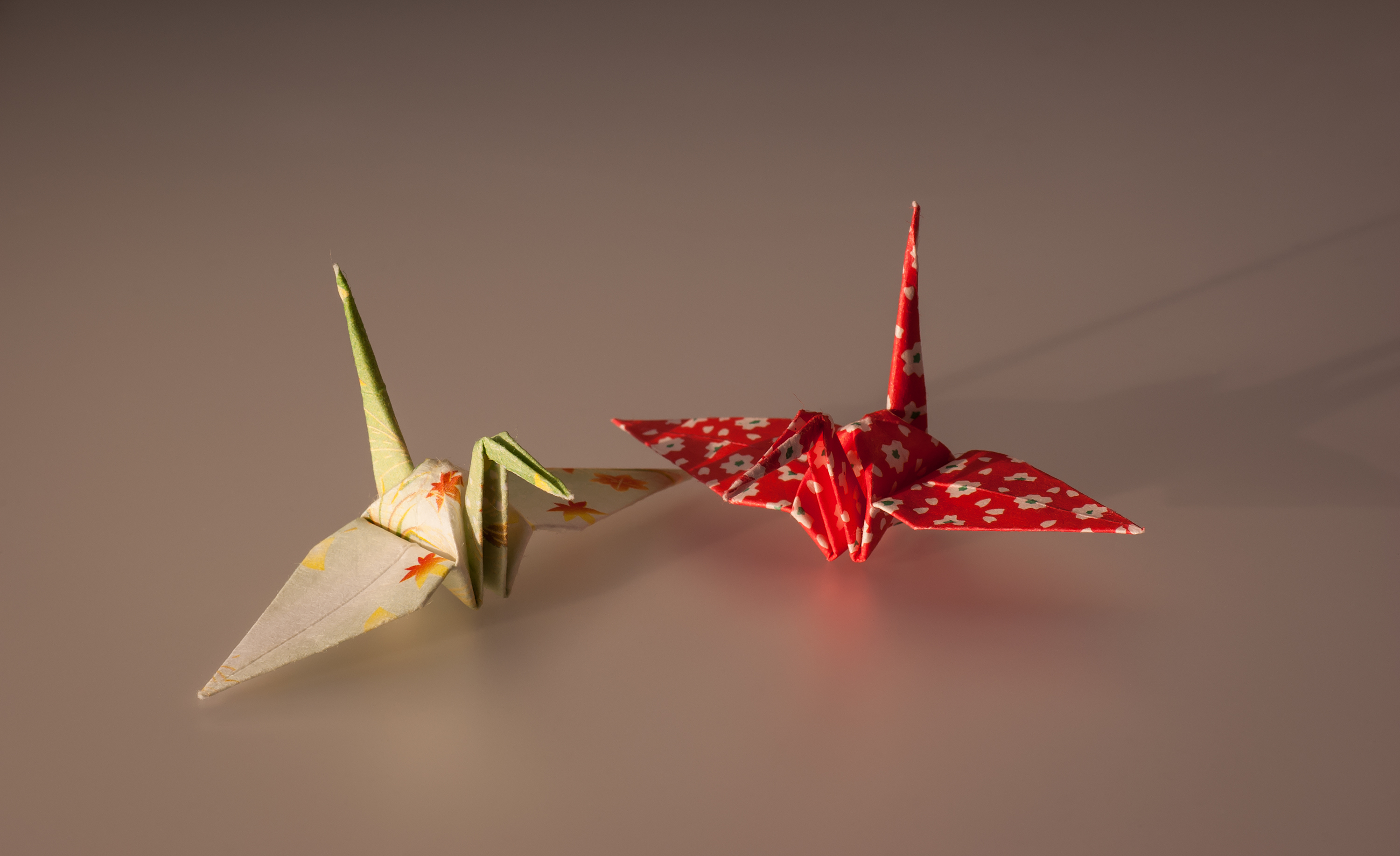
The traditional crane is a useful first fold because it teaches the two creases most origami relies on: the valley fold and the mountain fold. If you only have rectangular printer paper, trim it to a square first. Younger children can manage the early diagonal folds, while sharper creases near the end are easier for an adult to firm up.
- Make the base. Fold the square corner to corner both ways, then side to side, so the sheet collapses into a smaller square with flaps.
- Form the kite shapes. Fold the open edges in to the centre line on the front and back to narrow the model.
- Lift the neck and tail. Pull the two long points upward and crease them so they stand.
- Shape the head. Fold a small bend into one point for the beak, and gently spread the wings.
If a fold tears, keep the torn sheet for cutting projects rather than starting over. Reusing paper keeps the session relaxed and reduces waste.
Cards for family occasions
Canada's calendar gives plenty of reasons to make a card: a grandparent's birthday, a thank-you after a holiday visit, or a note for a teacher at the end of June. Fold a sheet in half for the card body, then let children decorate the front with cut-paper shapes glued in layers. A simple maple-leaf silhouette cut from red paper is a recognisable shape that even a five-year-old can trace and cut with help.
Layered paper scenes
Older children can build a small scene by cutting overlapping strips of paper to suggest snow drifts, a treeline, or a lake. Gluing only the bottom edge of each strip leaves the top free, which adds a sense of depth without any special tools.
Keeping it safe and tidy
Scissors and glue are the main things to supervise. Choose round-tipped scissors sized for children's hands, and keep any craft adhesives within an adult's reach. General guidance on choosing age-appropriate products is published by Health Canada. For background on the folding tradition itself, the overview of origami on Wikipedia is a readable starting point.
When you are ready for a project that involves shaping and a little patience while it dries, the salt dough notes are a natural next step.